
Author

Connie

Browsing

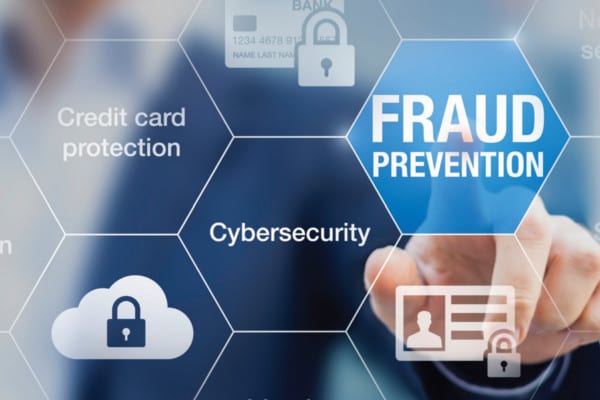
Identity theft is a serious crime that affects millions of people worldwide every year. In 2020 alone, the Federal Trade Commission received over 4.7 million reports of identity theft, resulting in a loss of over $3.3 billion to victims. This alarming trend highlights the need for law enforcement agencies to play a crucial role in combating this growing problem.

What is Identity Theft?

Identity theft is the act of stealing another person’s personal information and using it for fraudulent purposes. This can include stealing a person’s name, Social Security number, credit card information, and other sensitive data. Criminals use this information to obtain loans, credit cards, or other financial benefits, leaving the victim with the burden of dealing with the aftermath of the crime.

How Law Enforcement Can Help

Law enforcement plays a vital role in preventing and combating identity theft. They are responsible for investigating and prosecuting identity theft cases, as well as providing education and resources to help citizens protect themselves from becoming victims.

One way law enforcement can help is by working with financial institutions and credit reporting agencies to monitor suspicious activity and detect potential identity theft early on. They can also provide public education campaigns to raise awareness about the warning signs of identity theft and how to protect personal information.

Another important role of law enforcement is to investigate and prosecute identity theft cases. This includes collaborating with other law enforcement agencies and the private sector to track down and apprehend identity thieves. By holding criminals accountable for their actions, law enforcement sends a message that identity theft is a serious crime that will not be tolerated.

Challenges Facing Law Enforcement

Despite the important role that law enforcement plays in combating identity theft, there are several challenges they face. One of the biggest challenges is the difficulty of identifying and locating identity thieves, who often operate from remote locations and use sophisticated methods to cover their tracks.

Another challenge is the lack of resources available to law enforcement agencies. Budget constraints and a shortage of personnel can make it difficult for law enforcement to investigate and prosecute identity theft cases effectively.

Identity theft is a serious crime that can have long-lasting effects on its victims. Law enforcement agencies play a crucial role in preventing and combating this growing problem. By working with financial institutions, providing education and resources to the public, and investigating and prosecuting identity theft cases, law enforcement can help to protect citizens from this type of crime. However, there are still many challenges that law enforcement faces, and more resources and support are needed to effectively combat identity theft.

pagos con billeteras virtuales

Las billeteras virtuales ofrecen además herramientas de ahorro, cashback y promociones que hacen más eficiente el manejo de tus finanzas personales. Aprende cómo abrir una cuenta en pocos minutos, vincular tu tarjeta, aprovechar beneficios exclusivos y mantener tu dinero protegido gracias a sistemas avanzados de seguridad. Cada vez más personas eligen plataformas digitales para enviar y recibir pagos, hacer transferencias, recargar el celular o pagar servicios desde el teléfono o la computadora. La mayoría posee una aplicación móvil para descargar en nuestro smartphone, tablet o algún otro dispositivo.Las billeteras digitales han llegado para quedarse y cada día continúa creciendo el número de personas que prefieren utilizar este tipo de servicio debido a múltiples razones.

Las billeteras virtuales en Argentina se han convertido en una herramienta esencial para manejar el dinero de forma rápida, segura y sin necesidad de efectivo. A través de su aplicación móvil, compatible también con Android y Olo789 Casino iOS, los usuarios pueden abonar servicios o realizar compras en distintos locales o comercios adheridos a través del escaneo del código QR, de manera simple y rápida. La aplicación móvil es compatible con Android y iOS y se puede descargar de forma gratuita. La plataforma Rapipago también posee una billetera digital, pero, una vez que descargamos la aplicación, es necesario dirigirse a un local de esa cadena para cargar saldo. Por supuesto, Mercado Pago posee una aplicación móvil compatible con Android y iOS que una vez descargada en nuestro smartphone solo debemos crear un usuario y vincularla con alguna tarjeta de crédito o débito.

Estos reportes se efectúan de manera mensual respecto a las personas humanas con saldo acumulado en todas sus cuentas superior a 50 millones de pesos 32. Una pregunta frecuente es si existen billeteras virtuales que AFIP (ahora ARCA) no controle. En Asia, Alipay y WeChat Pay dominan el mercado con miles de millones de usuarios. Takenos es otra billetera digital argentina orientada a quienes cobran, mueven y usan dinero del exterior. Es especialmente popular entre usuarios que operan en plataformas de gaming, apuestas y comercio electrónico internacional.

Personal injury lawsuits can be complex and challenging to navigate. These types of lawsuits arise when someone is injured due to the negligence or intentional actions of another person or entity. In such cases, the injured party may be entitled to compensation for their injuries, medical expenses, lost wages, and other damages.

The Importance of Hiring a Personal Injury Lawyer

The Importance of Hiring a Personal Injury Lawyer

One of the first steps in navigating a personal injury lawsuit is to hire an experienced personal injury lawyer. A good lawyer can help you understand the legal process and your options for seeking compensation. They can also help you build a strong case by gathering evidence, interviewing witnesses, and negotiating with insurance companies.

When choosing a personal injury lawyer, it is essential to find someone who has experience in handling cases similar to yours. Look for a lawyer who has a good track record of successfully representing clients and who is willing to fight for your rights in court if necessary. It’s also crucial to find a lawyer who you feel comfortable working with and who communicates clearly and honestly with you throughout the process.

Understanding the Legal Process

Personal injury lawsuits typically follow a standard legal process, which can be complex and time-consuming. The process often involves the following steps:

  • Investigation: Your lawyer will investigate the circumstances of your injury and gather evidence to support your case. This may include medical records, witness statements, and other relevant information.
  • Filing a claim: Your lawyer will file a claim with the appropriate court, outlining the details of your injury and the compensation you are seeking.
  • Discovery: Both sides will exchange information and evidence related to the case. This may involve depositions, written questions, and requests for documents.
  • Negotiation: Your lawyer will negotiate with the other party, typically an insurance company, to try to reach a settlement. If a settlement cannot be reached, the case may proceed to trial.
  • Trial: If the case goes to trial, both sides will present their arguments and evidence to a judge or jury, who will determine the outcome of the case.
  • Appeal: If either party is unhappy with the outcome of the trial, they may appeal the decision to a higher court.

Compensation for Personal Injury Lawsuits

Compensation for Personal Injury Lawsuits

If you are successful in your personal injury lawsuit, you may be entitled to a variety of types of compensation, including:

  • Medical expenses: You may be able to recover the costs of medical treatment related to your injury, including hospital bills, medication, and therapy.
  • Lost wages: If you were unable to work due to your injury, you may be entitled to compensation for lost wages and future earning potential.
  • Pain and suffering: You may be able to recover damages for physical pain, emotional distress, and other forms of suffering caused by your injury.
  • Property damage: If your property was damaged as a result of the injury, you may be able to recover the costs of repairing or replacing the damaged property.

Navigating the complexities of personal injury lawsuits can be challenging, but with the help of an experienced personal injury lawyer, you can increase your chances of success. By understanding the legal process and your options for seeking compensation, you can take the necessary steps to protect your rights and recover the damages you deserve.

Synthetic identity theft is a relatively new form of identity theft that is becoming increasingly prevalent in today’s digital age. Unlike traditional identity theft, which involves the use of stolen personal information, synthetic identity theft involves the creation of a new identity that is a combination of real and fake information. This makes it much harder for victims and law enforcement to detect and prevent the crime.

How Synthetic Identity Theft Works

How Synthetic Identity Theft Works

Synthetic identity theft typically begins with the thief obtaining a Social Security number (SSN) that does not belong to them. They then use this SSN to create a new identity, often combining it with other real or fake information such as a different name, address, and date of birth. They may also use the SSN to open new credit accounts or apply for loans, which they then use to make purchases or withdraw cash.

Because the new identity is a combination of real and fake information, it can be very difficult to detect. For example, a credit check may show that the new identity has a good credit score and a history of on-time payments. However, if the victim tries to apply for credit themselves, they may be denied due to the high amount of debt already associated with their SSN.

The Impact of Synthetic Identity Theft

The impact of synthetic identity theft can be devastating for both individuals and businesses. Victims may find that their credit score has been ruined, making it difficult to obtain loans or credit in the future. They may also be held responsible for the debts incurred by the thief using their SSN.

For businesses, synthetic identity theft can result in significant financial losses. When a thief opens a credit account using a synthetic identity, they may make large purchases and then disappear without ever making a payment. This can result in charge-offs and bad debt for the business, as well as damage to their reputation.

Preventing Synthetic Identity Theft

Preventing Synthetic Identity Theft

Preventing synthetic identity theft can be challenging, but there are steps you can take to protect yourself and your business. Some tips include:

  • Protecting your personal information, such as your SSN and date of birth
  • Checking your credit report regularly for any suspicious activity
  • Using strong passwords and two-factor authentication for online accounts
  • Being cautious of phishing scams and unsolicited emails or phone calls
  • Implementing fraud detection software and monitoring tools for businesses

Synthetic identity theft is a growing concern for consumers and businesses alike. By understanding how it works and taking steps to prevent it, we can all work together to protect ourselves and our financial well-being.

The COVID-19 pandemic has drastically changed the way we work. With many businesses forced to shut down physical offices and implement remote work policies, the concept of working from home has become the new norm. As vaccines continue to roll out and restrictions ease, many companies are considering making remote work a permanent option. However, this shift towards remote work has significant implications on labor regulations.

Benefits of Remote Work

Remote Work

Remote work offers numerous benefits to both employees and employers. For employees, it provides greater flexibility in terms of work-life balance, reduced commuting time and costs, and the ability to work from anywhere in the world. For employers, it can lead to increased productivity, reduced overhead costs, and access to a wider pool of talent.

Challenges and Concerns

Despite the benefits, remote work also poses several challenges and concerns. One of the most significant challenges is maintaining the same level of productivity and collaboration as in-person work. Communication can be difficult, and employees may feel isolated or disconnected from their colleagues. Additionally, remote work raises concerns about data security and privacy, as well as the potential for work-related injuries or illnesses.

Impact on Labor Regulations

Impact on Labor Regulations

As remote work becomes more prevalent, it is important for labor regulations to adapt to this new reality. One of the biggest challenges is determining how to regulate work hours and overtime pay. In traditional office settings, it is easy to monitor and regulate work hours. However, with remote work, it can be challenging to ensure that employees are not overworking or working outside of their designated hours. This raises the question of whether employees should be compensated for all the hours they work, even if they are outside of their normal work hours.

Another issue is determining the location of work. With remote work, employees may be working from different states or even countries. This raises questions about which labor laws apply, and how to ensure compliance with different regulations. For example, some states have different minimum wage laws, and some countries have different labor standards.

The future of remote work is uncertain, but it is clear that it will have a significant impact on labor regulations. As more companies adopt remote work policies, it is important for regulators to adapt and update labor laws to address the unique challenges and concerns of remote work. This will require collaboration between employers, employees, and regulators to ensure that remote work is a viable and sustainable option for everyone.

Immigration law and employment law are two distinct areas of law that often intersect. As employers hire foreign workers, they must navigate the complex web of immigration laws and regulations to ensure that they are complying with all necessary requirements. Similarly, foreign workers must understand their employment rights and protections under US employment law.

Why Legal Guidance Matters for Immigration Cases

Immigration rules can be difficult to understand, especially when deadlines, paperwork, and changing policies are involved. Many people feel stressed when applying for visas, green cards, citizenship, or family sponsorship. Working with an experienced Atlanta immigration law firm can help applicants avoid common mistakes and move forward with greater confidence. Professional support often saves time and reduces unnecessary delays.

Personalized Support for Families and Professionals

Every immigration case is different, which is why personalized legal guidance is so valuable. Families may need help reuniting with loved ones, while professionals may need assistance with work visas or status changes. A trusted Atlanta immigration law firm can review each situation carefully and create a strategy based on the client’s goals. Clear communication and step-by-step guidance make the process easier to manage.

Choosing the Right Immigration Partner

Selecting the right legal team is an important decision for anyone facing immigration challenges. Experience, honesty, and strong client support should always be top priorities. A reliable Atlanta immigration law firm can explain options clearly, prepare accurate documents, and represent clients when needed. With the right help, individuals and families can focus on building a better future with peace of mind.

Employment-Based Immigration

Employment-Based Immigrationc

Employment-based immigration is the process of obtaining a visa or permanent residency based on employment in the United States. The most common employment-based visa categories include:

  • EB-1: Priority Workers
  • EB-2: Professionals with Advanced Degrees or Exceptional Ability
  • EB-3: Skilled Workers, Professionals, and Other Workers
  • EB-4: Special Immigrants
  • EB-5: Immigrant Investors

Employers who wish to sponsor foreign workers for employment-based visas must comply with various requirements, including filing a labor certification application and demonstrating that there are no qualified US workers available for the position.

Employment Law Protections for Foreign Workers

Foreign workers who are employed in the United States are entitled to certain employment law protections, including minimum wage and overtime pay, workplace safety, and protection against discrimination and harassment.

Employers are prohibited from discriminating against foreign workers based on their national origin, citizenship status, or immigration status. Additionally, employers must verify the employment eligibility of all workers, including foreign workers, using the Form I-9 process.

Impact of Immigration Law on Employment Law

Impact of Immigration Law on Employment Law

Immigration law can have a significant impact on employment law, particularly in cases where employers may be tempted to exploit foreign workers who may be more vulnerable due to their immigration status.

Employers who violate immigration laws, including hiring unauthorized workers or engaging in visa fraud, may also be violating employment laws. For example, an employer who fails to pay overtime to a foreign worker may also be violating immigration laws by failing to accurately report the worker’s wages to the government.

The intersection of immigration law and employment law is complex and requires careful attention to ensure compliance with all applicable laws and regulations. Employers must take steps to verify the eligibility of foreign workers and ensure that they are not being exploited or discriminated against. Similarly, foreign workers must be aware of their rights and protections under US employment law.

E-commerce has revolutionized the way we shop and do business today. With the rise of online shopping, the growth of e-commerce has been phenomenal. However, it has also given rise to a new threat – e-commerce fraud. Fraudsters are using new and sophisticated methods to target unsuspecting consumers. The implications of e-commerce fraud are far-reaching and can have a negative impact on both consumers and businesses.

What is E-commerce Fraud?

What is E-commerce Fraud

E-commerce fraud is any fraudulent or illegal activity that takes place during an online transaction. Fraudsters use a variety of techniques to deceive consumers, such as phishing scams, identity theft, and fake websites. They also use stolen credit card information to make unauthorized purchases. The growth of e-commerce fraud is a cause for concern, as it can lead to financial loss and damage to a consumer’s credit rating.

The Implications of E-commerce Fraud

The implications of e-commerce fraud can be severe for both consumers and businesses. Consumers can suffer financial loss, damage to their credit rating, and the loss of personal information. Businesses can face financial loss, damage to their reputation, and potential legal action. The cost of e-commerce fraud can be significant, and it is essential for both consumers and businesses to take measures to protect themselves.

Protecting Yourself from E-commerce Fraud

  • Check the authenticity of the website before making a purchase
  • Use secure payment methods, such as credit cards or PayPal
  • Keep your personal information secure and do not share it with anyone
  • Monitor your credit card and bank statements regularly
  • Use strong passwords and change them regularly
  • Install anti-virus and anti-malware software on your computer and mobile devices

Protecting Your Business from E-commerce Fraud

Protecting Your Business from E-commerce Fraud

  • Use fraud detection software to identify and prevent fraudulent transactions
  • Implement secure payment methods, such as 3D Secure
  • Train your employees to identify and prevent fraudulent activities
  • Monitor your online transactions regularly
  • Keep your website secure with SSL certificates and regular updates

E-commerce fraud is a growing threat that can have severe implications for both consumers and businesses. It is essential for both parties to take measures to protect themselves from this threat. By being vigilant and using secure payment methods, consumers can reduce the risk of becoming a victim of e-commerce fraud. Similarly, businesses can use fraud detection software and implement secure payment methods to prevent fraudulent activities. With the right measures in place, we can all enjoy the benefits of e-commerce without falling prey to fraudsters.

The legal profession has undergone significant changes in recent years, and the pace of change is set to accelerate in the coming years. The emergence of new technologies, the rise of artificial intelligence, and the changing expectations of clients are just some of the factors that are driving the transformation of legal services.

The Impact of Technology

Technology in Law

Technology is transforming the legal profession in many ways. One of the most significant changes is the rise of artificial intelligence (AI) and machine learning. These technologies have the potential to revolutionize the way that legal services are delivered, making them more efficient, cost-effective, and accessible.

For example, AI-powered chatbots can provide legal advice to clients on a 24/7 basis, without the need for a human lawyer. This can help to reduce the cost of legal services and improve access to justice for people who might not otherwise be able to afford legal representation.

Another area where technology is having a big impact is in the area of legal research. AI-powered tools can help lawyers to quickly and accurately analyze large volumes of legal data, making it easier to identify relevant case law and legal precedents.

Changing Client Expectations

Clients are also driving the transformation of legal services. Today’s clients expect more from their lawyers than ever before. They want legal services that are tailored to their specific needs, delivered quickly and efficiently, and available on-demand.

To meet these expectations, law firms are investing in new technologies and processes that enable them to deliver legal services more efficiently. For example, many firms are adopting cloud-based software platforms that enable them to collaborate with clients in real-time, share documents securely, and automate routine tasks.

The Future of Access to Justice

The Future of Access to Justice

Despite these changes, access to justice remains a significant challenge for many people. The cost of legal services, the complexity of the legal system, and the lack of legal aid in many countries all contribute to a situation where many people are unable to access the legal help they need.

The future of access to justice will depend on a range of factors, including the continued evolution of technology, changes to the legal system itself, and the political will to address the issue of access to justice.

One potential solution is the use of technology to deliver legal services in new and innovative ways. For example, online dispute resolution platforms can help to resolve legal disputes quickly and efficiently, without the need for costly court proceedings.

Another solution is to improve access to legal aid. Governments around the world are exploring ways to make legal aid more accessible to people who need it. For example, some countries are introducing means-tested legal aid, which provides financial assistance to people who cannot afford legal representation.

The future of legal services and access to justice is complex and multifaceted. Technology will undoubtedly play a major role in shaping the future of the legal profession, but it is only one part of the solution.

To truly improve access to justice, we need a range of solutions that address the underlying causes of the problem. This means investing in new technologies, improving the legal system itself, and addressing the issue of access to legal aid.

By working together, we can create a legal system that is more efficient, more accessible, and more just for everyone.

As the world becomes more diverse, cultural competence is becoming an essential skill for professionals in all fields, including the legal profession. Cultural competence refers to the ability to understand, appreciate, and effectively communicate with people from different cultures.

Why Cultural Competence is Important in the Legal Profession

Why Cultural Competence is Important in the Legal Profession

The legal profession is not immune to the changes brought about by globalization and increasing diversity. Lawyers are now more likely to work with clients from different cultural backgrounds, and cultural competence is essential for building trust and understanding between lawyers and their clients.

Having cultural competence can help lawyers to:

  • Understand the cultural context of a case
  • Communicate effectively with clients and witnesses
  • Identify cultural biases that may affect legal proceedings
  • Provide better legal representation
  • Build stronger relationships with clients

For example, a lawyer who is culturally competent may be better able to understand the cultural nuances of a client’s case, which can help them to provide more effective representation. They may also be able to communicate more effectively with witnesses who are from different cultures, which can help to build a stronger case.

How to Develop Cultural Competence in the Legal Profession

Developing cultural competence is a process that requires ongoing learning and self-reflection. Here are some steps that lawyers can take to develop their cultural competence:

  1. Examine personal biases and assumptions
  2. Learn about different cultures and their customs
  3. Develop cross-cultural communication skills
  4. Seek out opportunities to work with diverse clients and colleagues
  5. Attend cultural competence training and workshops

By taking these steps, lawyers can develop the skills and knowledge they need to effectively work with clients from different cultures.

The Benefits of Cultural Competence in the Legal Profession

Cultural Competence in the Legal Profession

Being culturally competent can have many benefits for lawyers, including:

  • Improved client satisfaction
  • Enhanced communication skills
  • Increased business opportunities
  • Greater job satisfaction
  • Reduced risk of misunderstandings and conflicts

Overall, cultural competence is an essential skill for lawyers who want to provide effective representation to clients from diverse backgrounds. By developing their cultural competence, lawyers can build stronger relationships with clients, communicate more effectively, and provide better legal representation.

cómo funcionan los jackpots

Deberías buscar juegos que ofrezcan ganancias frecuentes pero que también mantengan la emoción de los grandes premios. Casino Plata Esto ayuda a evitar problemas de dinero y te permite disfrutar de los juegos. Establece un presupuesto firme antes de comenzar a jugar y asegúrate de cumplirlo. Puedes encontrarlos en juegos como máquinas tragamonedas, póker de vídeo y algunos juegos de mesa. Existen los jackpots progresivos que aumentan de tamaño hasta que alguien gana, y los botes fijos que siempre ofrecen el mismo premio. Asegúrate de tener un presupuesto y cíñete a él para poder divertirte sin perjudicar tus finanzas.

Los juegos de bingo son una de las opciones que más llaman la atención gracias a los botes de bingo que se acumulan en sus juegos y se ofrecen a los usuarios. Los botes progresivos o jackpot se van formando gracias a una aportación porcentual de la apuesta que realiza cada uno de los jugadores al acceder a cierto juego. Un término que no todos los jugadores conocen, por lo que hemos creído interesante crear una guía que explique en qué consisten y cómo podemos beneficiarnos de ellos. Dentro de estos suelen destacar diversos juegos clásicos como el de las tragaperras o slots (su nombre en inglés), o el bingo, entre otros.

Si quieres comprobar catálogos, métodos de pago y condiciones específicas para jugadores en México, revisa listados y actualizaciones en most-bet-mx.com donde se muestran promociones y detalles relevantes del mercado local. Si sientes que el juego deja de ser diversión, usa herramientas de autoexclusión y busca ayuda profesional. Aumentar apuesta puede ser necesario para optar al bote, pero eso no aumenta la probabilidad de que el bote caiga en tus jugadas específicas salvo que la mecánica lo indique. En México los premios pueden estar sujetos a impuestos; consulta con un contador y declara conforme al SAT. B decide jugar esto como “lotería” y asigna solo 0.5% de su bankroll a la sesión.

Ventajas De Jugar Con Jackpots Progresivos

La transparencia del RNG asegura que, aunque las probabilidades sean bajas, cada apuesta tenga una oportunidad legítima de convertirse en un premio millonario, reforzando la confianza en el sistema de juego online. Cuando aparece la combinación específica o el comodín del jackpot, el sistema reconoce automáticamente al jugador que realizó la apuesta correspondiente y otorga el premio mayor. El jackpot de red, en cambio, conecta varias plataformas y casinos a nivel internacional, lo que permite que millones de apuestas contribuyan al mismo bote. Aunque los montos son menores que en un jackpot de red, la ventaja es que estos premios se activan con más frecuencia, ofreciendo victorias más alcanzables.