Author

Connie

Browsing

dónde jugar crazy time

Si la flecha marca un bono específico, se activan mecánicas especiales que elevan la emoción. Este juego utiliza una rueda de 54 segmentos que incluye números y accesos a bonos. En Crazy Time, el objetivo principal es predecir en qué sección se detendrá la rueda tras el giro del presentador. Si la suerte te acompaña, podrías obtener una ganancia inmediata tras apostar con éxito en este dinámico entorno de Crazy Time. Todos los resultados en juegos de azar son aleatorios y no pueden predecirse.

Los criterios que no deberías mirar son, básicamente, todos los que aparecen en la página de promociones del operador. El límite de retiro con transferencia suele ser el más alto de todos los métodos, lo que lo convierte en la opción preferida para jugadores que han ganado una cantidad considerable y quieren retirar todo de una vez. En el mercado español de 2026, los métodos de pago habituales son la tarjeta bancaria (Visa y Mastercard), la transferencia bancaria, los monederos electrónicos (como PayPal, Skrill o Neteller) y, en algunos operadores, las criptomonedas. Si juegas a Crazy Time en un operador con licencia, tienes la opción de ponerte un límite de 200 € al mes y que el operador te bloquee el acceso si lo superas. El casino online en vivo es la categoría que más ha crecido en el mercado español en los últimos cinco años, y Crazy Spinarium Casino Time es uno de los títulos que más han impulsado ese crecimiento.

La presencia de un multiplicador tan alto aumenta la emoción y el potencial de ganancias sustanciales. La mejor manera de jugar a Crazy Time es conocer bien las reglas del juego, las características y las opciones de apuesta. Evolution Gaming, el desarrollador de Crazy Time, se asegura de que sus juegos estén optimizados para el juego móvil. Además de apostar a números, también tiene la opción de apostar a juegos de bonificación. Este emocionante juego está ampliamente disponible en numerosos casinos online, ofreciendo a los jugadores una experiencia envolvente.

Cómo Se Juega Y Características

Tanto si es nuevo en los juegos de casino en vivo como si es un jugador experimentado, estas estrategias le proporcionarán consejos y perspectivas útiles para mejorar su juego. Es posible que desee considerar otras opciones si está buscando un juego con estrategias de apuestas más complejas y una gama más amplia de resultados. Este proceso suele llevar sólo unos minutos y consiste en seleccionar la opción de registro y rellenar un sencillo cuestionario con información personal básica. En general, Crazy Time es un juego de casino en vivo emocionante y entretenido que ofrece a los jugadores una experiencia de juego única con la oportunidad de ganar a lo grande. Es importante tener en cuenta que Crazy Time, como cualquier juego de casino, implica un cierto grado de suerte, y los jugadores sólo deben apostar lo que pueden permitirse perder.


The gig economy is a term used to describe a labor market in which temporary or freelance positions are common, and companies tend to rely on independent contractors or freelancers instead of hiring full-time employees. This type of work arrangement has been growing in popularity in recent years, thanks in part to the rise of technology platforms like Uber, Lyft, and Airbnb.

What is the gig economy?

The gig economy is a new way of working that has been enabled by technology. In the past, people worked primarily as full-time employees for a single employer. However, with the rise of the internet, it has become easier for people to work on a freelance or contract basis. This has led to the growth of the gig economy, which is characterized by short-term contracts or freelance work. In the gig economy, people work for themselves, and they are often paid per project rather than receiving a regular salary.

Implications for employment law

Implications for employment law

The gig economy has significant implications for employment law. In many cases, workers in the gig economy are classified as independent contractors rather than employees. This means that they are not entitled to the same rights and benefits as traditional employees, such as minimum wage, overtime pay, and workers’ compensation.

There has been considerable debate over whether gig economy workers should be classified as employees or independent contractors. Some argue that they should be classified as employees because they work for a company and are subject to its rules and regulations. Others argue that they are independent contractors because they have control over their work and are free to work for other companies.

Another issue is the lack of job security in the gig economy. Because workers in the gig economy are often hired on a project-by-project basis, they may not have a steady income or benefits like health insurance and retirement plans. This can make it difficult for them to plan for the future and save for retirement.

Legal challenges

The gig economy has also presented legal challenges for employers. Companies that rely on gig workers may be held liable for any injuries or accidents that occur on the job. They may also be subject to lawsuits from workers who claim that they were misclassified as independent contractors instead of employees.

Several high-profile lawsuits have been filed against gig economy companies in recent years. For example, Uber has faced numerous lawsuits from drivers who claim that they were misclassified as independent contractors. In 2020, Uber was forced to pay $20 million to settle a lawsuit that alleged it had misclassified drivers as independent contractors and failed to pay them overtime wages.

The future of the gig economy

The future of the gig economy

The gig economy is unlikely to go away anytime soon. In fact, it is expected to continue growing in the coming years. This means that employment law will need to evolve to keep up with the changing nature of work. Some experts predict that we may see new legal frameworks emerge that are specifically designed for gig workers.

One example of this is California’s Assembly Bill 5, which went into effect in 2020. This law makes it harder for companies to classify workers as independent contractors. Instead, they must meet specific criteria to be classified as independent contractors.

The gig economy is changing the way that people work and has significant implications for employment law. As the gig economy continues to grow, it is likely that we will see new legal frameworks emerge to protect the rights of gig workers. However, the debate over whether gig workers should be classified as employees or independent contractors is likely to continue for some time.

Whistleblower protection laws are in place to encourage individuals to report illegal or unethical activities within organizations. However, navigating the complexities of whistleblower protection can be challenging. Understanding the laws and regulations is essential to avoid retaliation and ensure protection for whistleblowers.

What is Whistleblower Protection?

Whistleblower protection refers to the laws and regulations that protect individuals who report illegal or unethical activities within an organization. Whistleblowers are protected from retaliation, such as termination, demotion, or harassment, for reporting such activities. The purpose of whistleblower protection is to encourage individuals to report wrongdoing without fear of retaliation and to promote accountability within organizations.

Understanding Whistleblower Laws

Whistleblower protection laws vary by jurisdiction and industry. In the United States, the Whistleblower Protection Act (WPA) and the Sarbanes-Oxley Act (SOX) are two of the most well-known whistleblower protection laws. The WPA protects federal employees who disclose information that they reasonably believe is evidence of illegality, gross waste, gross mismanagement, or abuse of authority. SOX provides protection for whistleblowers who report fraud and misconduct in publicly traded companies.

Additionally, many states have their own whistleblower laws that provide protection for employees who report illegal or unethical activities. It is essential to understand the specific laws and regulations in your jurisdiction to ensure proper protection for whistleblowers.

Reporting Whistleblower Violations

If you believe that illegal or unethical activities are taking place within your organization, it is crucial to follow the proper procedures for reporting such violations. The first step is to report the violation to your supervisor or the appropriate department within the organization. If the issue is not resolved, you may need to report the violation to an external agency, such as a government agency or law enforcement.

It is important to keep records of any communication related to the violation, including emails, memos, and notes from meetings. These records may be used as evidence in a whistleblower protection case if necessary.

Protection from Retaliation

Whistleblowers are protected from retaliation under the law. Retaliation can include termination, demotion, harassment, or any other adverse employment action taken against the whistleblower. If you experience retaliation after reporting a violation, it is essential to document the retaliation and report it to the appropriate department or agency.

Whistleblower protection laws provide for various remedies for retaliation, including reinstatement, back pay, and compensatory damages. It is important to consult with an attorney to understand your rights and the remedies available to you.

Whistleblower protection is essential to promote accountability within organizations and encourage individuals to report illegal or unethical activities. However, navigating the complexities of whistleblower protection can be challenging. Understanding the laws and regulations is essential to avoid retaliation and ensure proper protection for whistleblowers.

Identity theft is a serious crime that can have devastating consequences for victims. It can take years to recover from the financial and emotional damage caused by identity theft. However, there are steps you can take to reduce your risk of becoming a victim. Here are some best practices for preventing identity theft:

1. Protect Your Personal Information

One of the most important things you can do to prevent identity theft is to protect your personal information. This includes your social security number, date of birth, and financial information. Here are some tips:

  • Never give out your personal information to anyone unless you have verified their identity and know why they need the information.
  • Shred any documents that contain personal information before throwing them away.
  • Use strong passwords and never use the same password for multiple accounts.
  • Be cautious when using public Wi-Fi and avoid accessing sensitive information on public networks.

2. Monitor Your Credit Report

Monitoring your credit report is an important part of preventing identity theft. You should check your credit report at least once a year to make sure there are no unauthorized accounts or transactions listed. You can get a free credit report from each of the three major credit bureaus (Equifax, Experian, and TransUnion) once a year.

3. Be Cautious of Phishing Scams

Phishing scams are a common way for identity thieves to try and steal your personal information. These scams usually involve an email or phone call that appears to be from a legitimate source (like your bank or a government agency) asking you to provide personal information. Here are some tips to avoid phishing scams:

  • Never click on links or download attachments from emails that you were not expecting.
  • Always double-check the URL of a website before entering your personal information.
  • Be cautious of emails or phone calls that ask for personal information, even if they appear to be from a legitimate source.

4. Use Antivirus Software

Using antivirus software can help protect your computer and personal information from malware and viruses. Make sure your antivirus software is up to date and scan your computer regularly.

5. Be Wary of Public Wi-Fi

Using public Wi-Fi can put your personal information at risk. Hackers can easily intercept information on public networks, so it is best to avoid accessing sensitive information (like banking or credit card information) on public Wi-Fi. If you must use public Wi-Fi, use a virtual private network (VPN) to encrypt your data.

Identity theft can be a devastating crime, but there are steps you can take to reduce your risk. Protecting your personal information, monitoring your credit report, being cautious of phishing scams, using antivirus software, and being wary of public Wi-Fi are all important best practices for preventing identity theft.

Identity theft and fraud are two of the most prevalent crimes in the digital age. With the rise of technology, it is easier than ever for criminals to steal personal information and use it for nefarious purposes. But what drives these individuals to commit such crimes? Let’s delve into the psychology behind identity theft and fraud.

The Thrill of the Crime

The Thrill of the Crime

For some individuals, the rush of committing a crime is enough to drive them to steal personal information. The feeling of power and control that comes with knowing someone’s personal information is a powerful motivator. This type of individual may also enjoy the challenge of trying to outsmart security measures put in place to protect personal information.

Financial Gain

Another common motivator for identity theft and fraud is financial gain. Criminals may steal personal information in order to open credit cards or take out loans in someone else’s name. They may also use stolen information to make purchases or withdraw money from bank accounts. For these individuals, the potential financial rewards outweigh the risks of getting caught.

Desperation

Some individuals turn to identity theft and fraud out of desperation. They may be facing financial difficulties or struggling to make ends meet. Stealing personal information may seem like the only option to get the money they need to survive. These individuals may not have the intention of causing harm to others, but their actions can have serious consequences.

Low Risk, High Reward

For some individuals, the low risk of getting caught is enough to motivate them to commit identity theft and fraud. They may believe that the chances of being caught are low and that the potential rewards are high enough to justify the risk. This type of individual may also believe that the consequences of getting caught are not severe enough to deter them from committing the crime.

Mental Illness

Mental Illness

In some cases, individuals who commit identity theft and fraud may be suffering from a mental illness. They may not fully understand the consequences of their actions or may not be able to control their impulses. These individuals may need professional help in order to overcome their issues and stop engaging in criminal behavior.

Identity theft and fraud are complex crimes that can be motivated by a variety of factors. Whether it’s the thrill of the crime, financial gain, desperation, low risk/high reward, or mental illness, understanding the psychology behind these crimes can help us to better prevent and address them. By increasing awareness and taking steps to protect our personal information, we can reduce the prevalence of identity theft and fraud in our digital world.

The law is an essential aspect of society that aims to maintain order and ensure justice prevails for all individuals. It serves as a framework to regulate and guide people’s behavior, protecting their rights and freedoms while keeping them safe. However, law and mental health are two areas that often intersect, and the influence of one on the other is undeniable.

The Impact of Law on Mental Health

Law on Mental Health

The law can significantly impact an individual’s mental health and well-being in various ways. For example, being subjected to an unfair or unjust legal system can cause stress, anxiety, and depression. Additionally, legal processes such as court proceedings and litigation can be emotionally draining, leading to burnout and other mental health issues.

Furthermore, laws that restrict an individual’s rights or limit their access to essential services can negatively affect their mental health. For instance, laws that criminalize mental illness or substance use disorders can stigmatize individuals and discourage them from seeking help. Similarly, laws that limit access to mental health treatment or insurance coverage can exacerbate mental health conditions and lead to adverse outcomes.

The Role of Law in Promoting Mental Health and Well-Being

Despite the negative influence of law on mental health, it can also play a vital role in promoting mental health and well-being. Laws that protect individuals’ rights, including those with mental health conditions, can promote social inclusion, reduce stigma, and improve access to essential services. These laws can also ensure that individuals receive fair and equitable treatment, reducing the risk of discrimination and bias.

Moreover, law can influence public policy and shape the provision of mental health services. For instance, laws that require insurance companies to cover mental health treatment can increase access to care for individuals with mental health conditions. Similarly, laws that mandate mental health screenings in schools and workplaces can improve early detection and intervention for mental health issues.

The Need for Collaboration between Law and Mental Health Professionals

Given the interdependence between law and mental health, it is crucial that legal and mental health professionals work collaboratively to promote positive outcomes for individuals. Mental health professionals can provide valuable expertise on the impact of legal processes on mental health, while legal professionals can ensure that laws and policies are informed by the latest research and best practices in mental health care.

Furthermore, collaboration between the two fields can help identify and address systemic issues that negatively impact individuals’ mental health. For example, mental health professionals can work with legal professionals to identify and challenge discriminatory laws or practices that contribute to mental health disparities.

Law and mental health are two critical areas that intersect in various ways. While the law can negatively impact an individual’s mental health and well-being, it can also promote positive outcomes when used to protect individuals’ rights and promote access to essential services. Collaboration between legal and mental health professionals is crucial to ensure that laws and policies are informed by the latest research and best practices to promote positive mental health outcomes for all individuals.

casinos para jugadores españoles

Después de muchos años de experiencia analizando y revisando casinos, la redacción de Casino.es ha desarrollado un sistema de análisis que consiste en revisar concienzudamente 10 factores clave de cada casino online reseñado. En caso de no verificar la cuenta en un plazo de tiempo (determinado por cada casino) esta será bloqueada, pudiendo desbloquearse remitiendo la documentación requerida. Absolutamente todos los casinos reseñados en Casino.es poseen licencia de juego online otorgada por el organismo regulador en España, que se trata de la Dirección General de Ordenación del Juego (DGOJ), por lo que los casinos presentes son fiables y seguros. Una novedad disponible en los casinos online son los juegos de casino en vivo, en los que se ve en directo al crupier realizando la tirada de la bola en las ruletas o repartiendo las cartas en los juegos de mesa. Las bonificaciones obtenidas en la herramienta de progresivo de bono de los juegos que incluyen dicha herramienta no se contabilizarán para el cumplimiento del rollover (número de veces que hay que apostar el bono para liberarlo).

Para liberar el bono de las tiradas gratis (ganancia máxima 10€) hay que apostar 50 veces el bono en 30 días naturales en los juegos no excluidos en la promoción. 10 tiradas gratis (0,10€ cada tirada) en Big Bass Bonanza por registrarse y verificar la cuenta + Bono de 200% del valor del primer depósito hasta un máximo de 200€ Aquí destacan por variedad de salas, jackpots y dinamismo. Aquí tienes un resumen de los mejores casinos online por categoría según nuestros análisis actualizados. Hemos probado los diferentes casinos en línea que operan en España, y aquí te dejamos nuestro ranking. Las recomendaciones, análisis o estrategias publicados en esta página no garantizan ganancias.

Como redactor en Casinoble, crea Iniesta Casino contenido informativo y de alta calidad sobre los últimos juegos de casino y tendencias del mercado español. Antonio Rodríguez, de Valencia, tiene experiencia en periodismo y una gran pasión por los juegos de casino. “Lukas Mollberg es un analista experimentado en iGaming y líder editorial con más de veinte años en la industria del juego y los medios digitales, incluyendo más de ocho años enfocados en casinos online. Lukas Mollberg es un analista experimentado en iGaming y líder editorial con más de veinte años en la industria del juego y los medios digitales, incluyendo más de ocho años enfocados en casinos online.

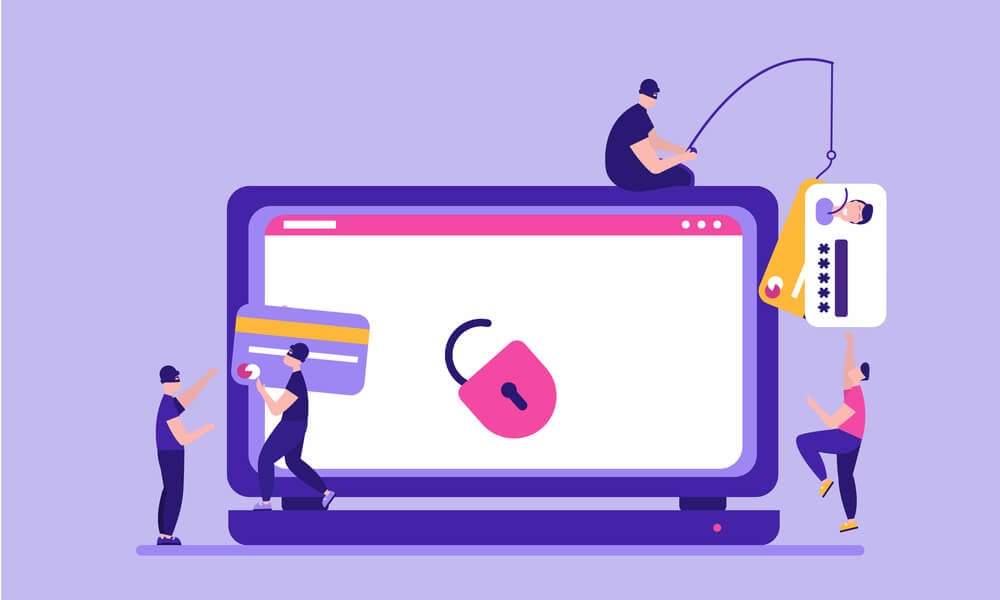
Online fraud has become a major concern for businesses and consumers worldwide. According to the Federal Trade Commission (FTC), there were 3.2 million reports of fraud in 2019, resulting in a loss of $1.9 billion. Financial institutions, including banks, credit unions, and other financial services providers, play a crucial role in preventing and detecting online fraud.

What is Online Fraud?

What is Online Fraud

Online fraud is any fraudulent activity that takes place on the internet. It can include identity theft, credit card fraud, phishing scams, and fake websites. Cybercriminals use various methods to trick individuals into providing personal and financial information, such as login credentials, credit card numbers, and social security numbers.

How Do Financial Institutions Combat Online Fraud?

Financial institutions use a multi-layered approach to combat online fraud. They employ various technologies, such as fraud detection software, encryption, and two-factor authentication, to secure their systems and protect their customers’ information. They also educate their customers on how to protect themselves from online scams and provide resources to report any suspicious activity.

Financial institutions also work closely with law enforcement agencies and other financial institutions to share information and identify patterns of fraudulent activity. They use advanced analytics and machine learning algorithms to detect and prevent fraudulent transactions before they can occur. They also conduct regular risk assessments to identify potential vulnerabilities and implement measures to mitigate those risks.

The Importance of Collaboration

Combating online fraud requires collaboration between financial institutions, law enforcement agencies, and other stakeholders. Financial institutions must share information and best practices to stay ahead of evolving threats. They must also work with their customers to create a culture of security awareness and vigilance.

Law enforcement agencies play a critical role in investigating and prosecuting cybercriminals. They rely on financial institutions to report suspicious activity and provide evidence that can lead to arrests and convictions.

Online fraud is a growing problem that requires a coordinated effort from all stakeholders. Financial institutions must continue to invest in advanced technologies and educate their customers on how to protect themselves from online scams. They must also collaborate with law enforcement agencies and other financial institutions to share information and best practices. By working together, we can combat online fraud and protect our financial systems and personal information from cybercriminals.

As people age, they become more vulnerable to scams and frauds. Scammers often target seniors because they may be more trusting, less tech-savvy, and more financially stable. According to the National Council on Aging, financial scams targeting seniors result in an estimated $3 billion in losses each year. These scams can be devastating for seniors who have limited resources and rely on their savings to support themselves.

Common Scams Targeting the Elderly

Scams Targeting the Elderly

Scammers use a variety of tactics to target seniors. Some of the most common scams include:

  • IRS scams: Scammers call or email seniors, claiming to be from the IRS and demanding payment for unpaid taxes. They may threaten legal action if payment is not made immediately.
  • Phishing scams: Scammers send emails or text messages that appear to be from legitimate companies, such as banks or credit card companies. They ask seniors to provide personal information, such as their social security number or credit card information.
  • Sweepstakes scams: Scammers notify seniors that they have won a large sum of money or a prize, but they need to pay a fee to claim it. Once the fee is paid, the scammer disappears, and the prize never arrives.
  • Grandparent scams: Scammers call seniors, pretending to be their grandchild in distress. They claim to need money urgently for a medical emergency or legal trouble.

Preventing Scams

Prevention is the best defense against scams. Seniors can take several steps to protect themselves from scams:

  • Be wary of unsolicited calls or emails: Scammers often reach out to seniors via phone or email. Seniors should be cautious of any unsolicited calls or emails and avoid giving out personal information.
  • Check with a trusted family member or friend: Seniors should check with a trusted family member or friend before making any financial decisions or giving out personal information.
  • Keep personal information private: Seniors should never give out personal information, such as their social security number or credit card information, to anyone they do not know.
  • Stay up to date on scams: Seniors should stay informed about the latest scams by reading the news or subscribing to scam alert services.

Responding to Scams

Responding-to-Scams

If a senior falls victim to a scam, it is important to act quickly to limit the damage:

  • Report the scam: Seniors should report the scam to the Federal Trade Commission (FTC) and the local police department.
  • Cancel credit cards: If a senior gave out their credit card information, they should cancel the card immediately.
  • Change passwords: Seniors should change any passwords that may have been compromised by the scammer.
  • Notify banks and credit card companies: Seniors should notify their banks and credit card companies of the scam to prevent any unauthorized charges.

Scams targeting the elderly are a serious problem that can result in significant financial losses. Prevention is the best defense against scams, and seniors should be cautious of any unsolicited phone calls or emails. If a senior falls victim to a scam, they should act quickly to limit the damage by reporting the scam and canceling credit cards. By staying informed and taking steps to protect themselves, seniors can avoid falling victim to scams and frauds.

como resgatar bônus de cassino

Essa faixa fica bem abaixo do teto de 35x definido pela SPA, facilitando o aprendizado sem risco financeiro elevado. Torneios diários com prêmios fixos de até Bigodão Cassino R$5.000 oferecem retorno mais acessível que bônus de depósito tradicionais no cassino online. Cashback semanal favorece quem joga com regularidade, pois devolve entre 5% e 15% das perdas líquidas sem exigir rollover extra. Giros grátis oferecem risco zero em slots específicos, mas com teto de ganho limitado, enquanto cashback semanal (5%-15%) devolve parte real das perdas sem novo rollover. Giros grátis, cashback semanal e torneios diários atendem perfis diferentes de jogador, do iniciante ao VIP.

Cashback semanal sobre perdas reduz o risco em sessões mais longas, sobretudo em dias com percentual turbinado. O login diário permite acumular giros grátis e cashback semanal sem custo adicional, desde que a conta permaneça verificada via KYC. Cashback semanal costuma vir isento de rollover, o que o torna mais atrativo que giros tradicionais. O rollover máximo permitido para bônus de cassino no Brasil é 35x, segundo a regulamentação SPA de 2026, um limite que elimina boa parte das armadilhas contratuais antigas.

A fiscalização reduziu discrepâncias entre a publicidade e as regras reais, como contribuições zero não declaradas em determinados jogos. Sob a portaria SPA/MF vigente, toda peça publicitária de bônus deve informar rollover, prazo e jogos elegíveis de forma clara e em português. O cashback semanal virou o formato mais estável, creditado sem novo rollover na maioria dos operadores licenciados. Giros grátis (10-20 por dia) e cashback semanal de 5% a 15% sobre perdas líquidas passaram a dominar o catálogo de promoções, substituindo bônus de depósito com condições opacas. Avaliamos apps Android e iOS com login biométrico e notificação push para ativações diárias, item hoje padrão entre operadores licenciados.

O Que É Um Cassino Online?

Para conseguir sacar os valores obtidos em uma plataforma de jogos com bônus, é necessário seguir um processo simples, mas que exige atenção. Esses programas são uma excelente forma de valorizar os usuários mais ativos, oferecendo vantagens à medida que o jogador sobe de nível. ” da Sportingbet, que podem garantir prêmios diariamente para os usuários. As rodadas grátis, também conhecidas como free spins, são um tipo de bônus bastante comum em cassinos online, voltadas principalmente para jogos de slot. Essa limitação visa garantir a segurança e o controle do valor distribuído nas promoções. Por exemplo, é comum entrar bônus que só podem ser utilizados em slots como Sweet Bonanza, Aviator e no popular Fortune Tiger, um dos mais buscados pelos jogadores brasileiros.